20 August 2026 · Brew News
Drinking Bad Beer to Become a Better Brewer
Drinking bad beer on purpose might sound strange, but it’s one of the most effective ways to sharpen your sensory skills as a homebrewer. Developing that ability can be the difference between brewing a good beer and brewing an excellent representation of the style.
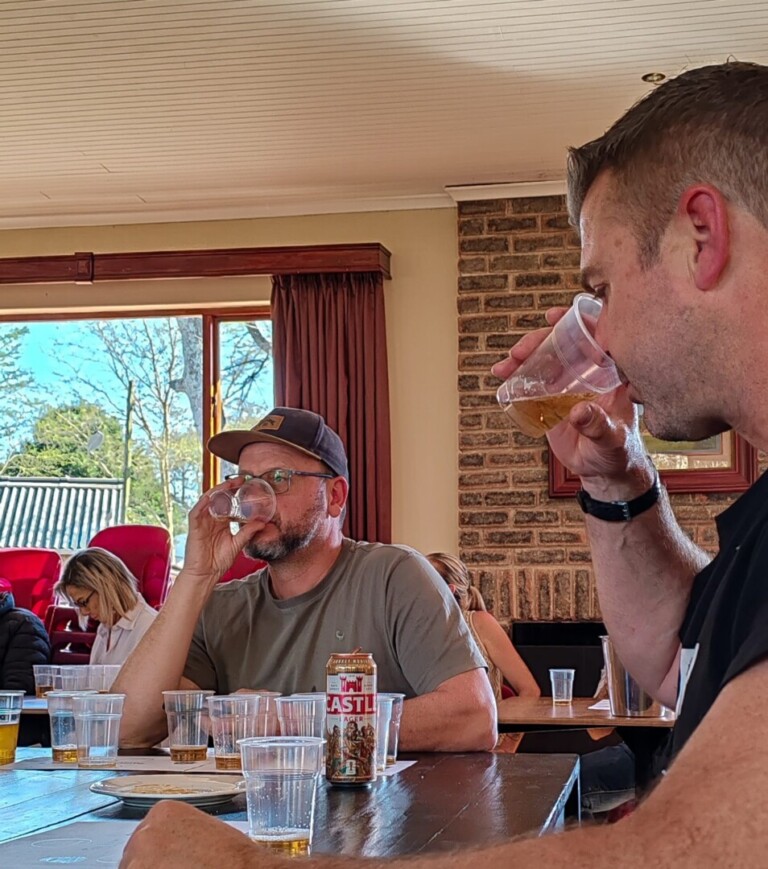
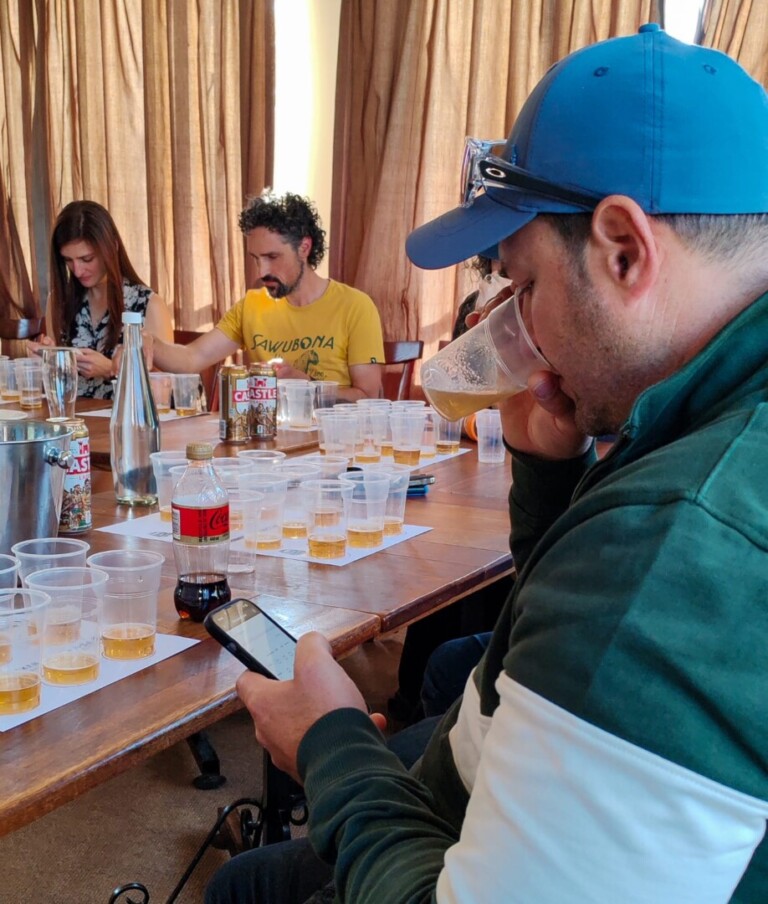
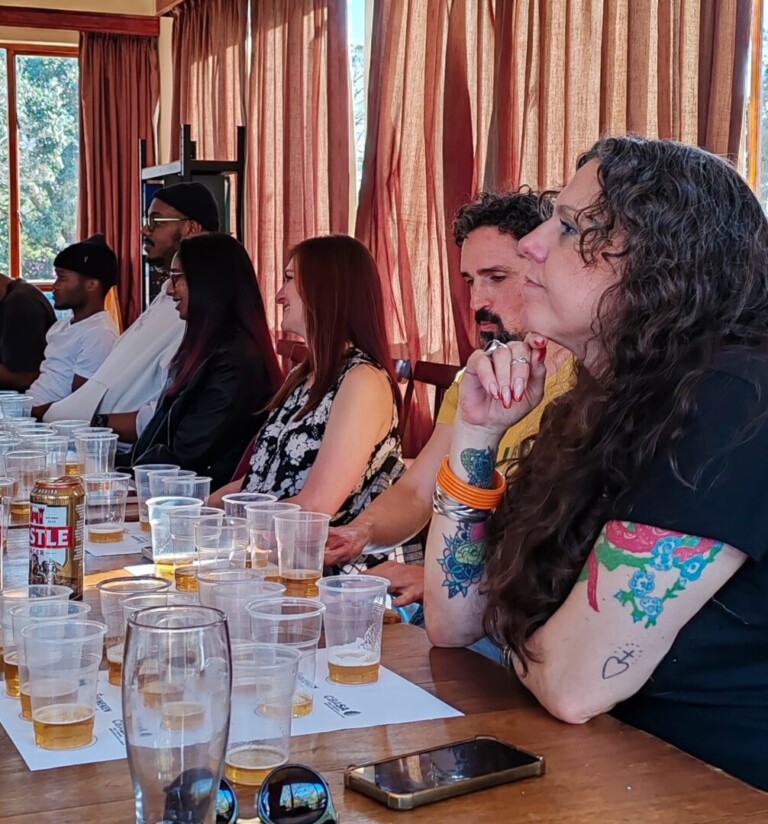
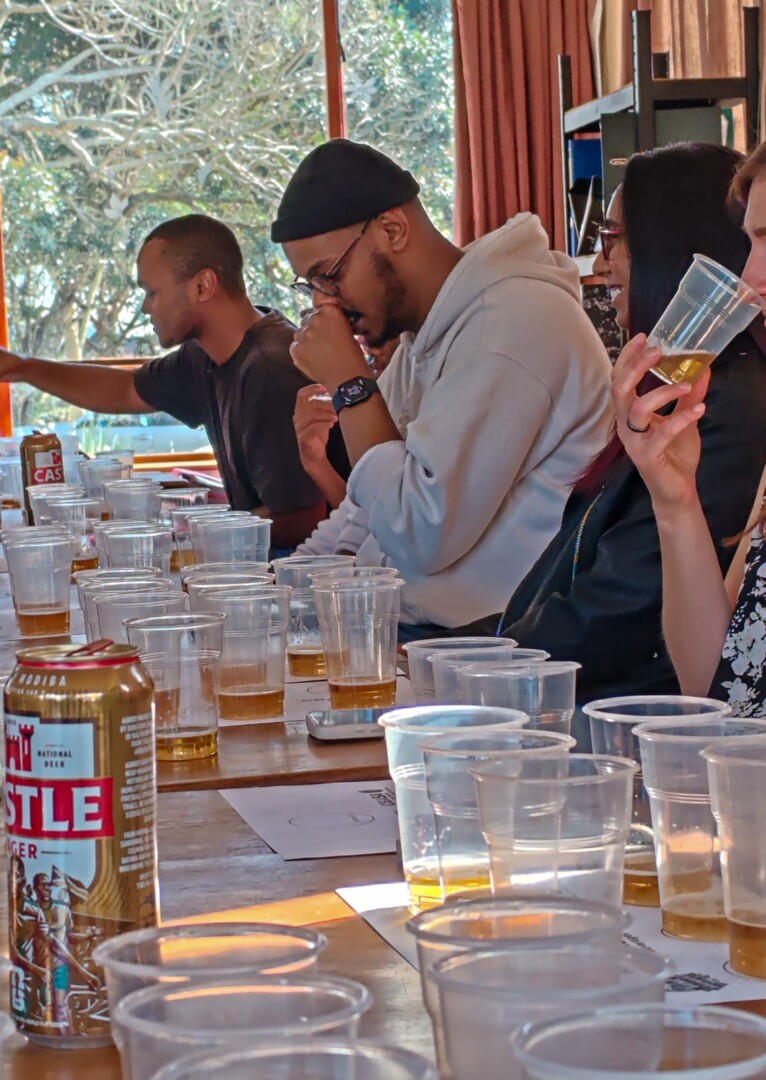
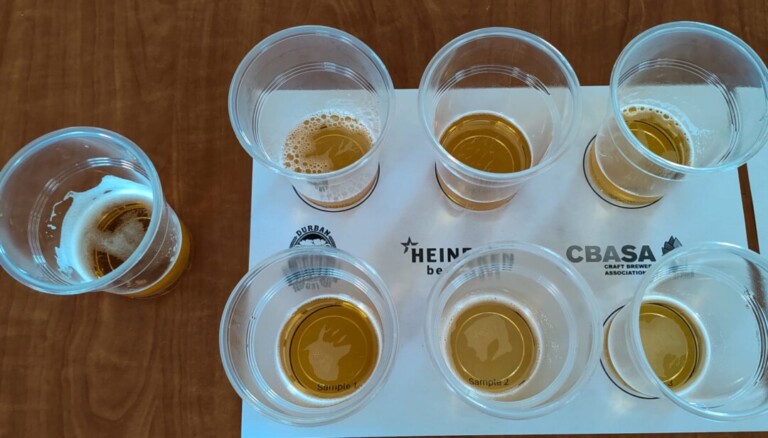
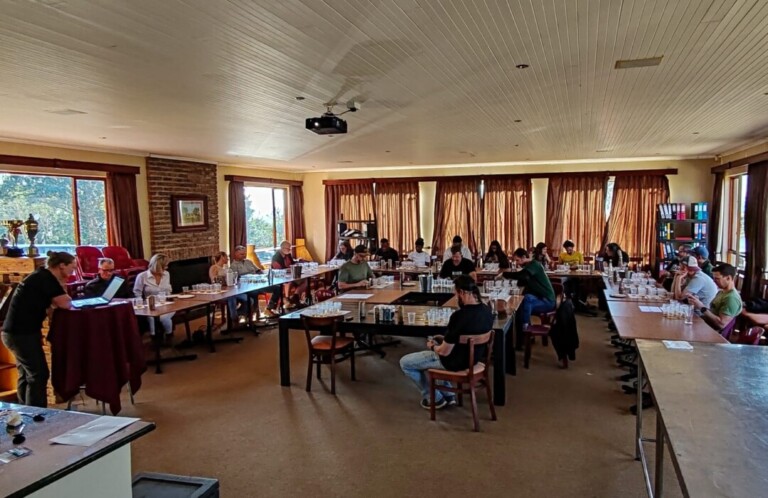
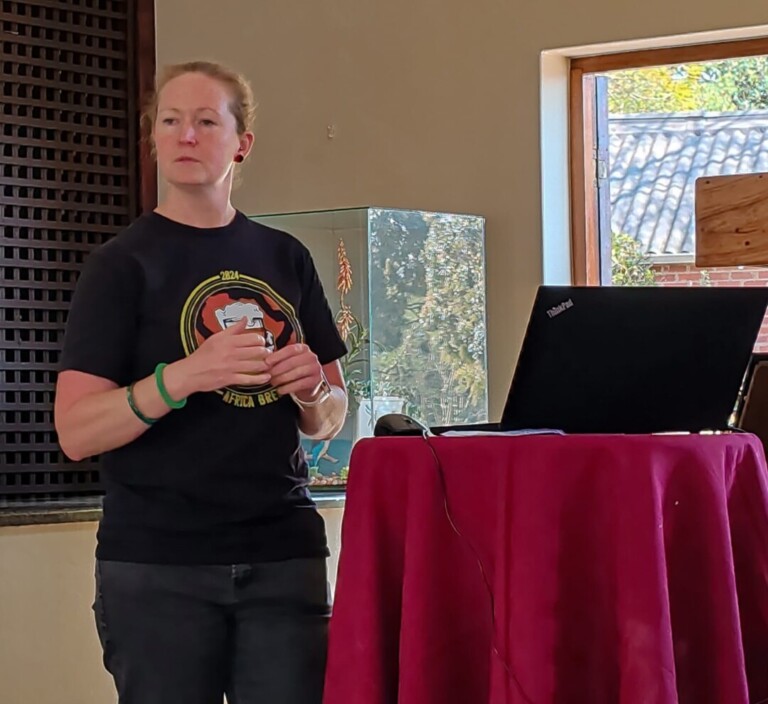
On Saturday, 15 August, Megan from Clockworks Brewery hosted a sensory training session for our brewers at 1000 Hills Chef School. Thanks to CBASA and Heineken, we were treated to a professional sensory kit and a supply of Castle Lager, which became our testing ground for the day.
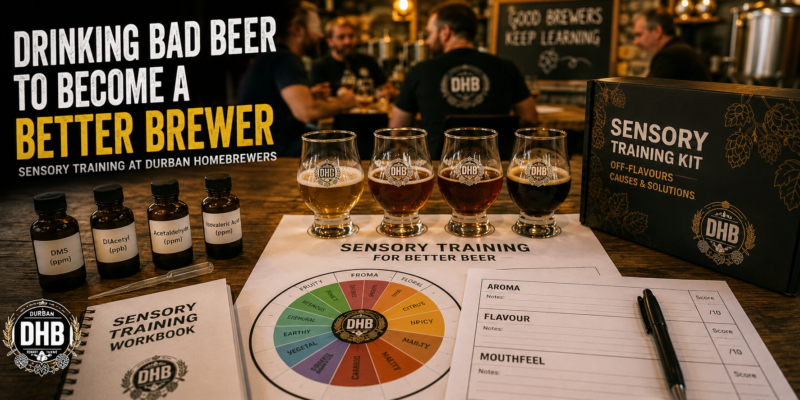
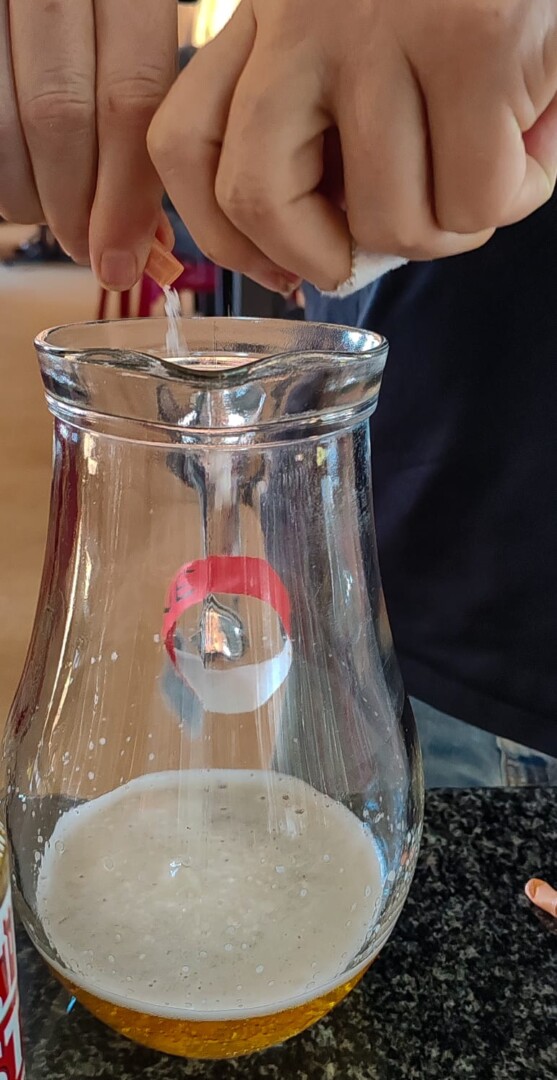
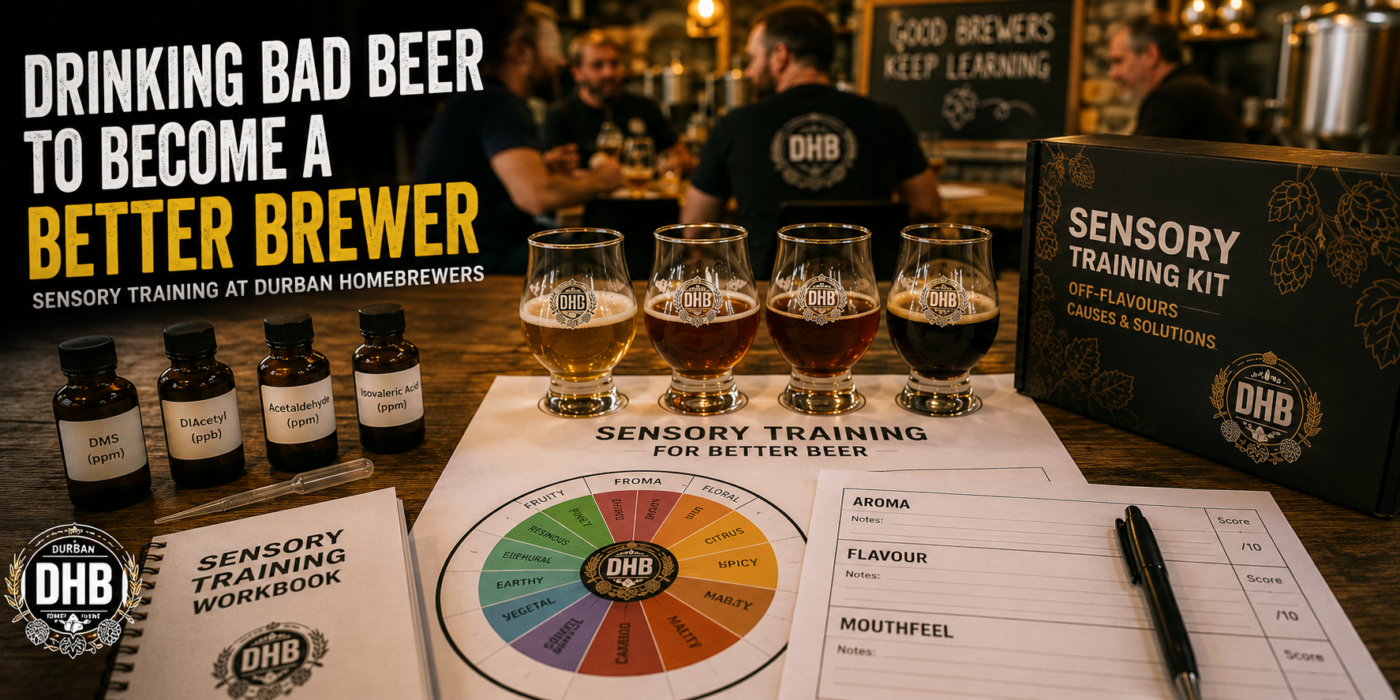
The sensory kit was designed to help identify characteristics and off-flavours caused by everything from contaminating organisms and raw materials to problems within the brewing process itself.
For an inexperienced brewer, words like isovaleric, acetaldehyde and diacetyl probably don’t mean much. But what if you were told they could taste or smell like old cheese, green apples or butterscotch?
Suddenly they become a lot easier to recognise. This is why drinking bad beer in a structured training environment is so effective.
More importantly, these flavours can tell you something about what happened during your brew. Old or oxidised hops, stressed yeast, poor fermentation practices and problems during the brewing process can all leave clues behind in the finished beer.
That’s where sensory training becomes incredibly useful.
It’s not simply about learning to identify that something tastes wrong. It’s about understanding why it’s there, what caused it and what you can change in your brewing process to prevent it from happening again.
Why Drinking Bad Beer Trains Your Palate
The tasting started with an explanation of why sensory training is so important and how these skills can be applied not only to brewing, but also to beer judging and simply becoming better at understanding and enjoying beer.
Then the fun started.
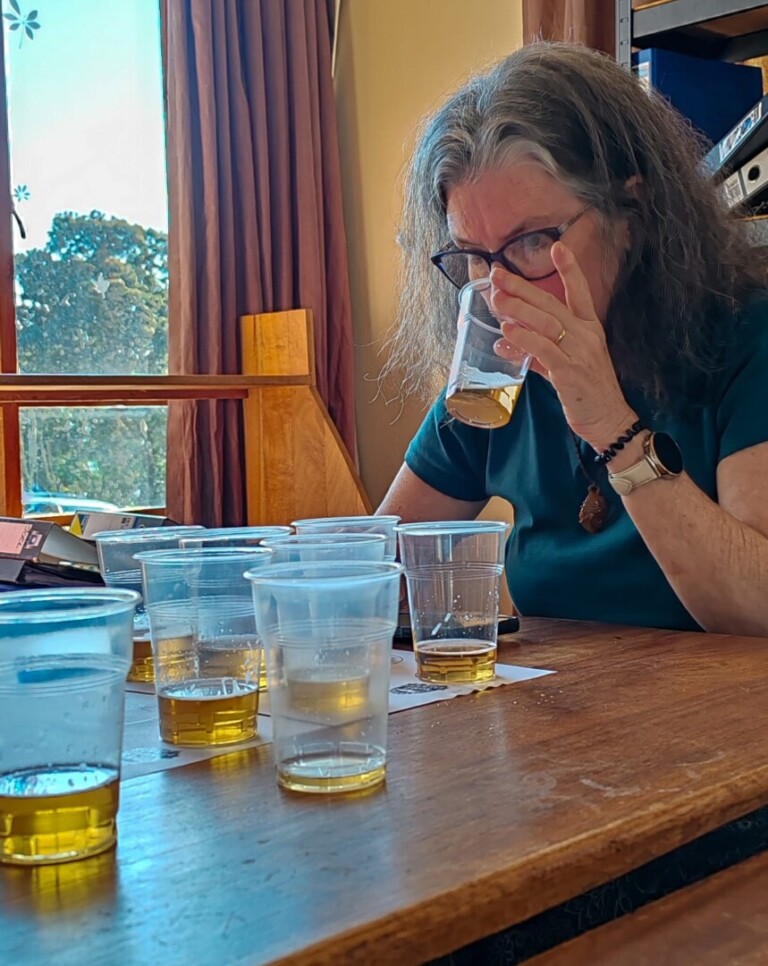
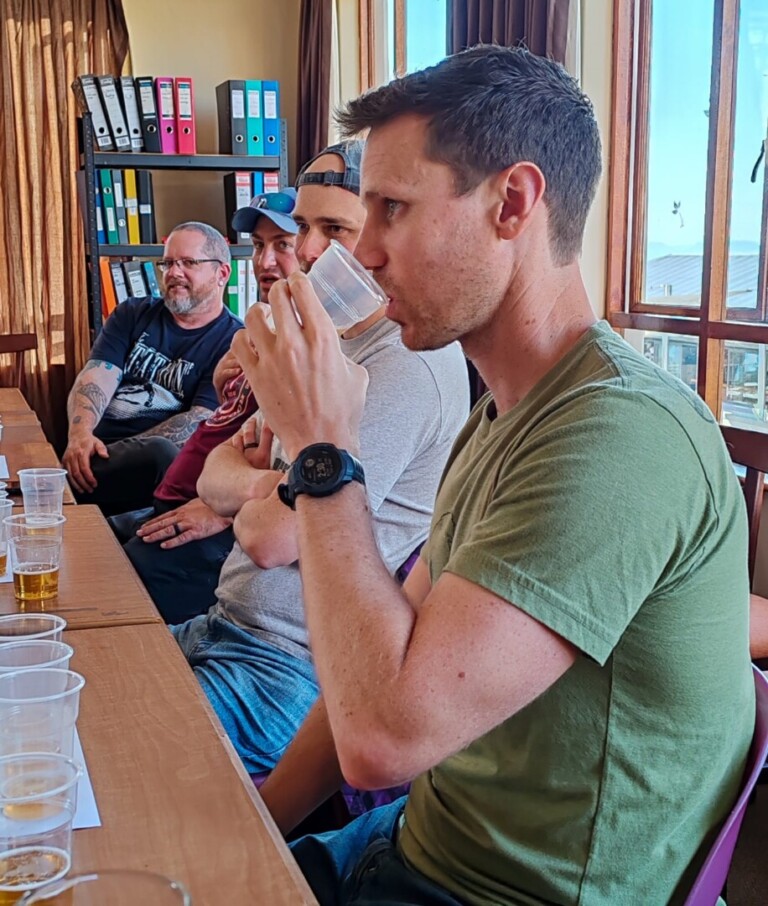
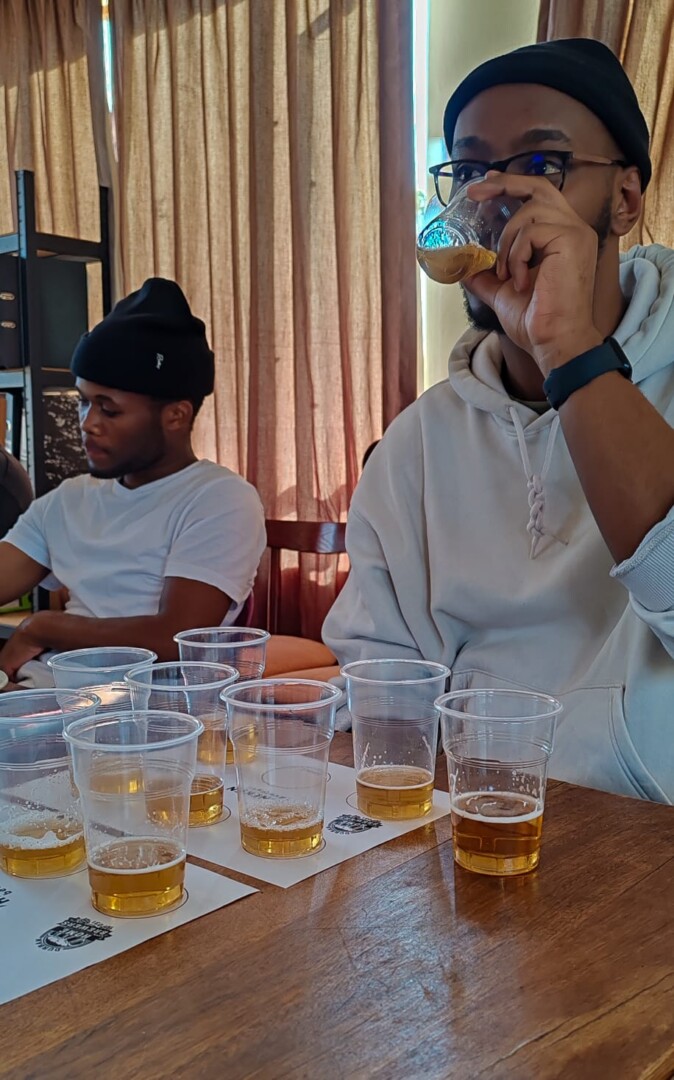
Sample after sample of dosed beer was judged on aroma, flavour and mouthfeel. Each characteristic was carefully explained, along with its likely cause and what a brewer could do to prevent or correct it.
Descriptions like butterscotch, green apple and even puncture repair kit started being thrown around the room.
As strange as some of those descriptions might sound, they give us a common language for recognising what is happening inside a beer. Once you’ve smelled or tasted one of these characteristics in isolation, it becomes much easier to recognise it when it appears in one of your own brews.
And that’s really the value of drinking bad beer as a deliberate training method.
It teaches you to slow down and deliberately evaluate your beer rather than simply deciding whether you like it or not. Drinking bad beer helps you understand what great beer should actually taste like.
The Brewing Process Matters
One of the biggest takeaways from the session was just how much every part of the brewing process matters.
- Good quality and fresh ingredients matter.
- Healthy yeast matters.
- Fermentation temperature matters.
- Cleaning and sanitation matter.
- And having a deliberate and repeatable brewing process matters.
Being able to recognise an off-flavour is useful. Being able to trace it back to something in your process and prevent it from happening again is what ultimately makes you a better brewer.
After an afternoon of drinking bad beer and putting our taste buds through their paces, the brewers were rewarded with some great pizzas and, thankfully, some beer that wasn’t deliberately dosed with off-flavours, courtesy of Doctrine, Clockworks and 1000 Hills Breweries.
Feedback from the majority of those who attended was extremely positive, with many saying they would happily attend this type of training again.
It opened up a different side of brewing that we don’t always think about. We spend a lot of time worrying about recipes, hops, malt, temperatures and equipment, but ultimately our senses are still one of the most important tools we have.
The better we become at tasting beer, the better we can become at brewing it. If you want to put your palate to the test, our Brew to Style competitions are a great way to get structured feedback on your brews.
Who would have thought that drinking bad beer, on purpose, could give you the tools to become a great brewer?